I run Soapbox Project, a friendly community for busy people to conquer their climate anxiety through a combination of personal responsibility, collective action, and fun. Sign up for our free bite-sized action plans (aka Changeletters) that I write every week!
Share
Load-bearing necks?
Published 2 months ago • 5 min read
Make a difference again this week with your Changeletter!
Got this from a friend? Get your own copy of Soapbox Project's Changeletter here to overcome your climate anxiety while taking meaningful action in 3 minutes or less each week.
Writing this Changeletter is one of my favorite things. Even though May has been quite a demoralizing/emotional rollercoaster month, your replies and encouragement and messages have reminded me why I do this and why I love doing this.
I love to write. I love to think of silly little subject lines that make you laugh. I love to tap tap my fingers on the keyboard like a gremlin in the middle of the night. I love YOU!
I relish in the fact that Al could never. It could never get its feelings hurt because someone is being mean, and it could never find the absolute comfort in the online hugs. (This paragraph was an excuse to get you to read what might be the best piece I've read in 2026: "If you let AI do your writing, I will come to your house and kill you")
Anyway, seriously, thank you. Whether you've been here since day 1 in October 2019 or you just signed up this week, I would be toast without you.
I would be alone.
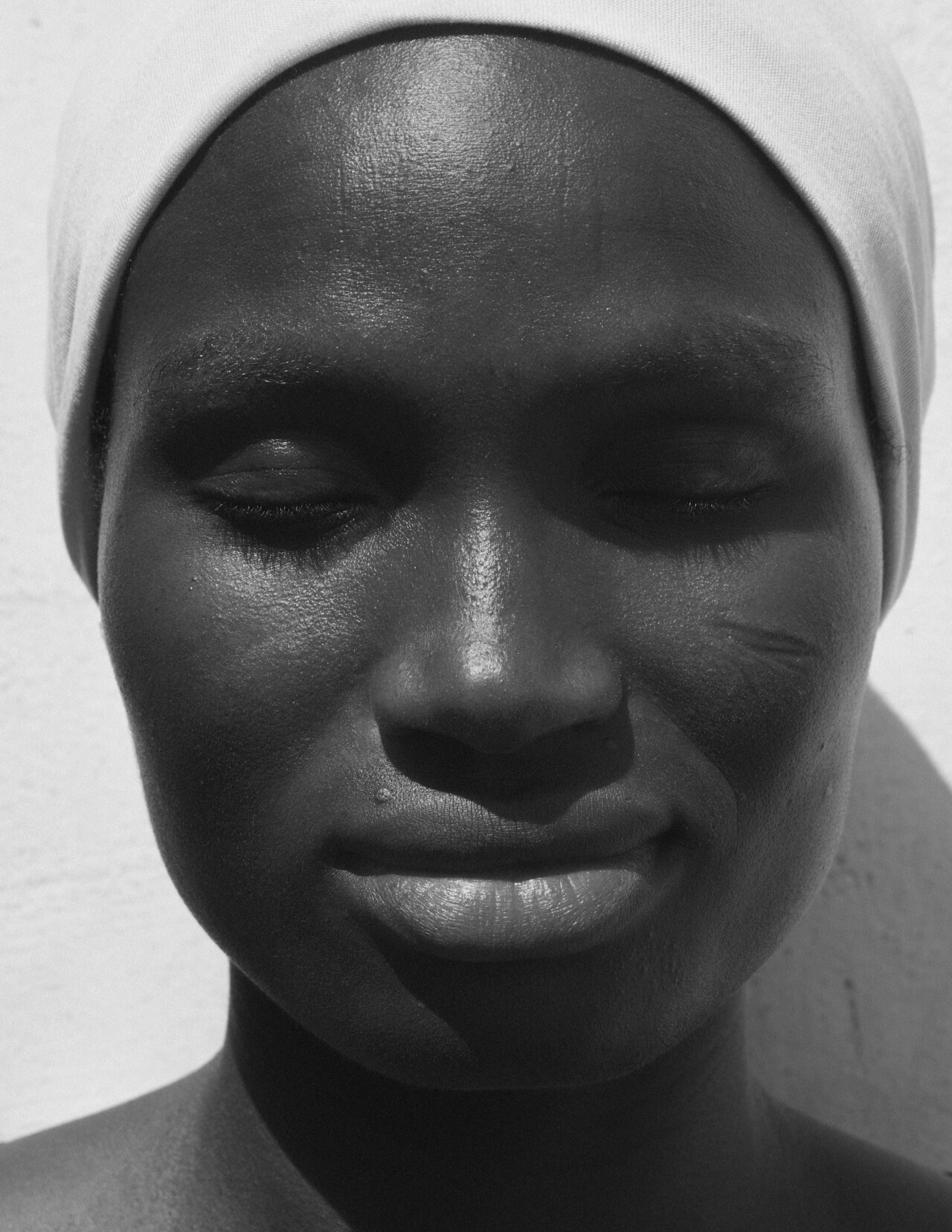
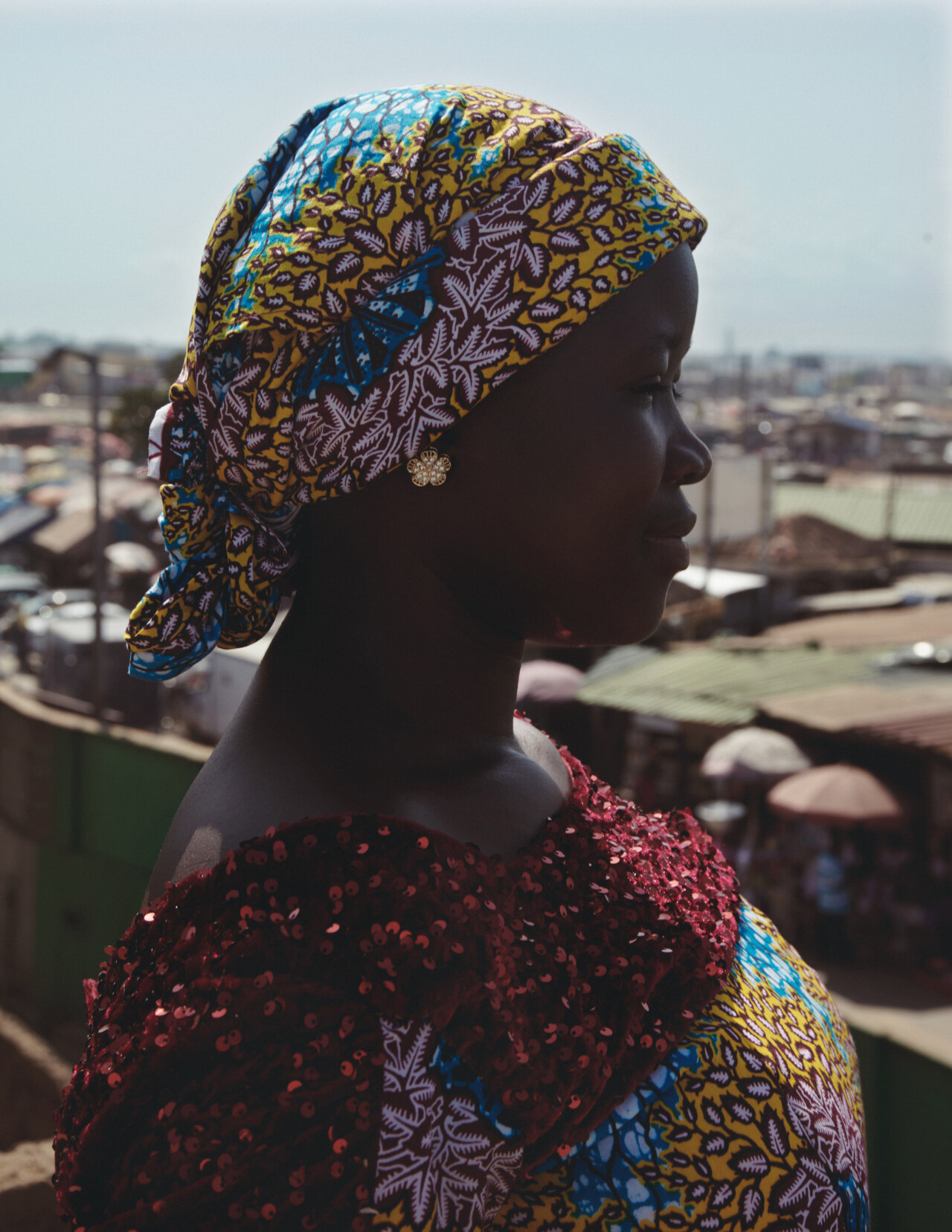
Today, we're going to wrap up our May topic on labor, climate, & human rights with some photos from the women carrying the weight of fast fashion. This is in place of our usual poem, because I think it's crucial to sit with the humans that are bearing the weight of our extractive systems.
Next month's theme is storytelling, so forward this Changeletter to a friend so they can get in on it from the beginning of the month!
Hello hello! If you enjoy the work we're doing at Soapbox through these Changeletters and more, pleeeasse consider contributing. If you donate at our monthly tier of $28, you will also get you an invite to our membership community!
It examines the impact of secondhand markets (and clothing waste) shipped to countries like Ghana, where teenage girls and women carry bales on their heads, damaging their bodies often fatally.
I'll note here that one of Soapbox's core values is joy and you might be asking "why is she linking such a heavy article." It's because all of us deserve joy, and that means we can carve out a few minutes to look directly at someone else's pain. (Plus, if you read the article, you'll find an audacious dream at the end.)
Najiha Yahaya has a wide smile, a creative impulse so strong that she taught herself to crochet without the help of a smartphone or YouTube, and the kind of courage that allows her to stand before powerful men and defy them to their faces. But if you had met her when she first arrived in Accra alone at 15 and began working as a head porter, or kayayo, carrying heavy bales of secondhand clothing on her head, you might not have seen any of that.
The first time Yahaya loaded one of those crushingly heavy bales onto her head, she cried. Rather than ask her what was wrong, the retailer who’d hired her told her coldly that if she wasn’t up to carrying the load, she should go back to the North.
The comparison between slavery and head porting can feel jarring, especially considering the long, grim shadow that chattel slavery still casts on both sides of the Atlantic. ... And yet the comparison to slavery is one that you hear over and over when you spend time talking to kayayei, former kayayei, and the people who advocate for them. Some girls are literally trafficked, lured to Accra by an agent who promises good jobs and then keeps all the money the girls earn, effectively entrapping them without resources hundreds of miles from their families.
Fatima in Accra’s heatwave.
Mustapha thinks often of a woman named Aisha Adam, who was the sole provider for her three kids. Adam was carrying a bale of secondhand clothing on her head and her baby on her back when she tripped on the railway just outside Kantamanto. The bale fell on top of Adam, breaking her neck and killing her. Her baby survived, but is now growing up without a mom. And Adam isn’t the only kayayo who has been killed on the job, Mustapha said.
Losing even one life this way is a horrific tragedy. But it’s made all the more senseless when you consider what this dangerous labor is in service of: a fashion system built on excess, in which companies and governments in the Global North export their waste to the Global South and pass it off as charity. This extractive dynamic echoes throughout fashion’s history. In the 18th and 19th centuries, African labor was exploited at the beginning of the supply chain on cotton farms in the Americas; in the 21st, African labor is being exploited at the end of the supply chain to handle textile waste. The names have changed, but a business model built on human rights abuses remains.
Amina follows her daily route through the busy Kantamanto Market. Surrounded by secondhand clothes, sellers, and buyers, it takes some time to navigate the maze. Note: The pots photographed were intentionally left empty to avoid any visible weight.
Today’s massive fashion companies, from luxury labels to fast-fashion giants, have produced many of the world’s richest men, their business models built on overproducing clothing through supply chains that exploit both landscapes and people. When that clothing is discarded by their customers—maybe because it’s fallen apart, maybe because trends move so fast that it looks “dated” just a few months or years after purchase—it is donated to secondhand stores, passed along to exporters, and shipped to places like Ghana.
A retired Kayayo looks out over the market where she once worked, viewed from the rooftop of The Or Foundation warehouse.
But the people behind The Or Foundation have an ambitious idea for how that might change, too: a complete rebuild of the market, with wider alleyways that would allow for carts instead of head-carrying. Their proposed plans would also improve ventilation and fire-truck access—an urgent need in a market that has burned down to devastating effect multiple times, most recently in 2025.
It’s an audacious dream, and one that would come with a price tag of 70 million dollars. But that sum looks more reasonable when set against the billions of dollars in annual revenue earned by the fashion companies whose overproduction fuels the problem.
That's it for today. I hope you'll go forth into the world thinking about the humans involved in keeping the earth turning. Say a thank you, give some gratitude, and I'll see you next week.
Love,
Nivi
A lil note 💚
Hello hello! If you enjoy the work we're doing at Soapbox through these Changeletters and more, pleeeasse consider contributing. This is how I make my livelihood and pay my rent (and my team!) and I would appreciate any support you can give. Thank you for being here!
I run Soapbox Project, a friendly community for busy people to conquer their climate anxiety through a combination of personal responsibility, collective action, and fun. Sign up for our free bite-sized action plans (aka Changeletters) that I write every week!
Read more from Changeletter: fun bite-sized climate action plans
Make a difference again this week with your Changeletter! Got this from a friend? Get your own copy of Soapbox Project's Changeletter here to overcome your climate anxiety while taking meaningful action in 3 minutes or less each week. July 2026: waste & climate change Each month, we break down our topic into four weekly modules. Catch up on previous editions here. This week's module: ACT ✅ DREAM | imagine a world without X where you decide what the variable is ✅ LEARN | learn about actual,...
Make a difference again this week with your Changeletter! Got this from a friend? Get your own copy of Soapbox Project's Changeletter here to overcome your climate anxiety while taking meaningful action in 3 minutes or less each week. July 2026: waste & climate change Each month, we break down our topic into four weekly modules. Catch up on previous editions here. This week's module: ACT ✅ DREAM | imagine a world without X where you decide what the variable is ✅ LEARN | learn about actual,...
Make a difference again this week with your Changeletter! Got this from a friend? Get your own copy of Soapbox Project's Changeletter here to overcome your climate anxiety while taking meaningful action in 3 minutes or less each week. July 2026: waste & climate change Each month, we break down our topic into four weekly modules. Catch up on previous editions here. This week's module: LEARN ✅ DREAM | imagine a world without X where you decide what the variable is 🎯 LEARN | learn about actual,...